


1. NAD+
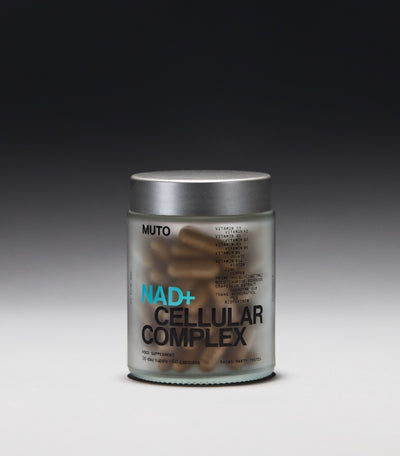
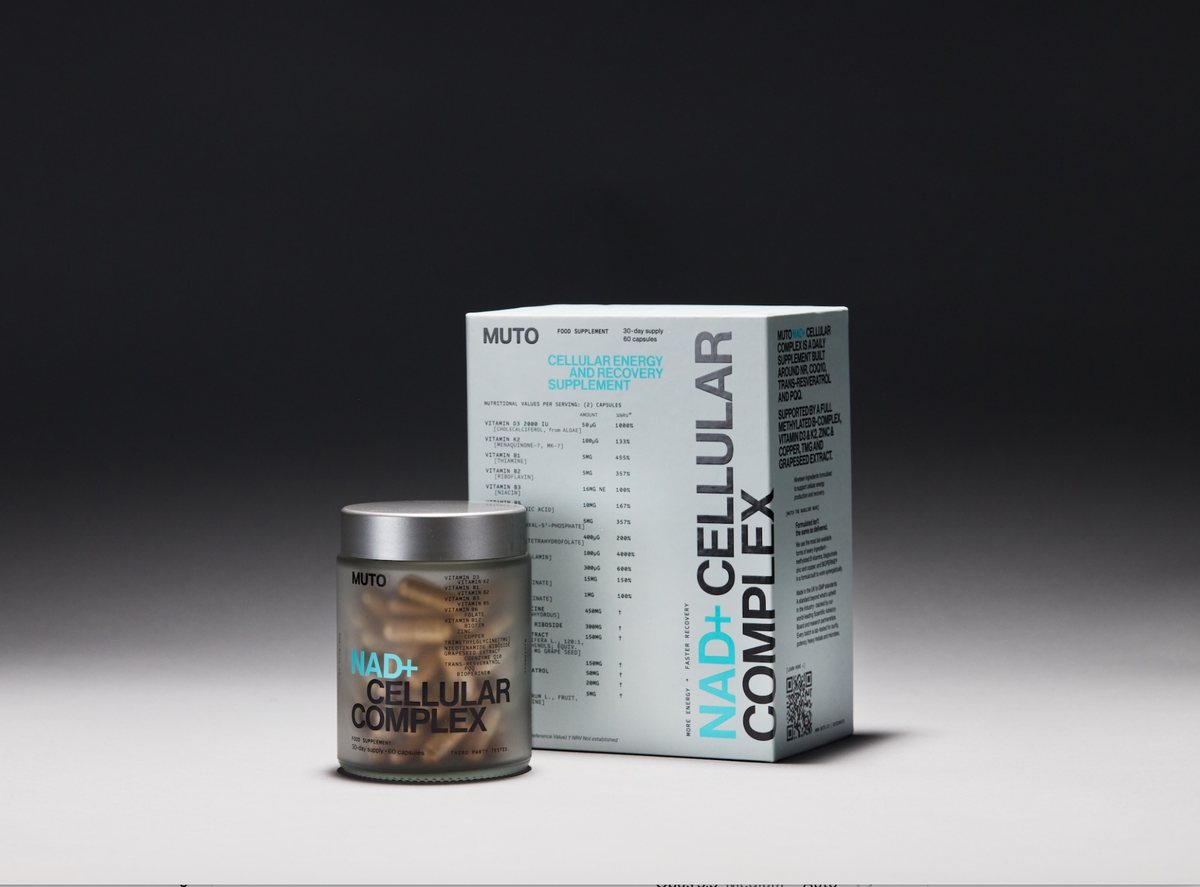
NAD+ is found in every cell you have, and your mitochondria can’t turn food into energy without it, yet the amount in your tissues falls steadily as you get older. You can’t simply swallow NAD+ itself because it is poorly absorbed, so what you take instead is something your body can build it from, which is usually nicotinamide riboside (NR), a form of vitamin B3.
Look for: 300mg of nicotinamide riboside (NR), the maximum permitted in UK supplements
Research notes:
- In samples of human skin, NAD+ levels were lower with age, from newborns to people in their 70s.1
- In a placebo-controlled trial, 300mg of NR a day raised NAD+ in the blood by about 51% within two weeks.2
- What we don’t know yet is whether raising NAD+ makes people feel more energetic. The trials so far have measured levels in the body.
Niacin (vitamin B3) contributes to normal energy-yielding metabolism and to the reduction of tiredness and fatigue.
Sources
- Massudi H, et al. Age-associated changes in oxidative stress and NAD+ metabolism in human tissue. PLoS One. 2012.
- Conze D, Brenner C, Kruger CL. Safety and metabolism of long-term administration of NIAGEN (nicotinamide riboside chloride) in a randomized, double-blind, placebo-controlled clinical trial of healthy overweight adults. Sci Rep. 2019.
- Regulation (EU) No 432/2012, as retained in UK law: list of permitted health claims.